

Lacaune sheep: weight and milk
A white French dairy breed, famous for the milk of Roquefort cheese, now kept in many Bulgarian dairy flocks. Weights, milk, lambing and crossbreeding.
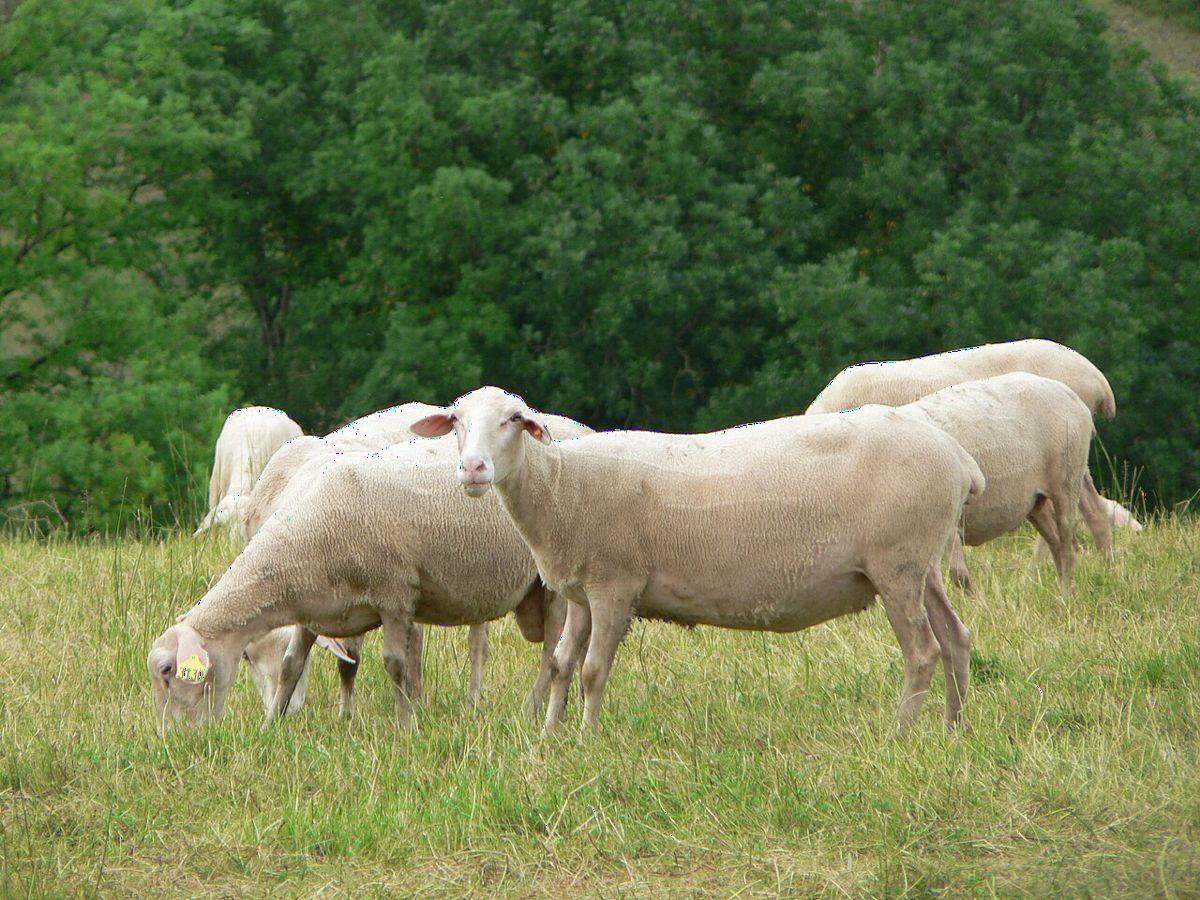

At a glance
| Origin | France (Aveyron and Tarn) |
|---|---|
| Purpose | Milk; a separate line for meat |
| Colour | White, with a light bare head and legs |
| Horns | Polled |
| Ewe weight | 70–80 kg |
| Ram weight | 95–110 kg |
| Lamb birth weight | 3.5–5 kg |
| Daily gain of lambs | 0.3–0.4 kg/day |
| Milk per lactation | 280–400 l |
| Lambs per lambing | 1.6–1.8 |
| Lambing | Easy |
| Temperament | Calm |
Typical ranges for adult animals; they vary with the line, feeding and management.
History and origin
The Lacaune comes from the dry uplands of southern France around the town of Lacaune, where the milk of its ewes has been made into Roquefort cheese for centuries. Strict milk recording and selection since the 1960s made it one of the best dairy sheep in the world. A meat line is also kept.
Appearance and character
Lacaune sheep are tall and white, with a light, bare head, long ears held sideways and fine, short wool that leaves the belly and legs bare. They are hornless and calm, and they cope well with heat and dry pasture.
How much does a Lacaune sheep weigh?
Ewes usually weigh 70–80 kg and rams 95–110 kg. Lambs are born at 3.5–5 kg and grow about 250–350 g a day while suckling.
Milk yield
In good flocks a Lacaune ewe gives about 280–400 litres in a lactation, with 6.5–7.5% fat and high protein, so the milk makes a lot of cheese. To milk this well it needs good feed: quality hay or silage and concentrate in proportion to the yield.
Lambing and fertility
Ewes lamb easily and often have twins: about 160–180 lambs per 100 ewes. They can be bred out of season, so lambing can be planned for when milk sells best.
Use in crossbreeding
Lacaune rams are widely used on local and Bulgarian dairy ewes to raise their milk. The crossbred ewes give clearly more milk than their mothers and keep some of their hardiness.
Other breeds
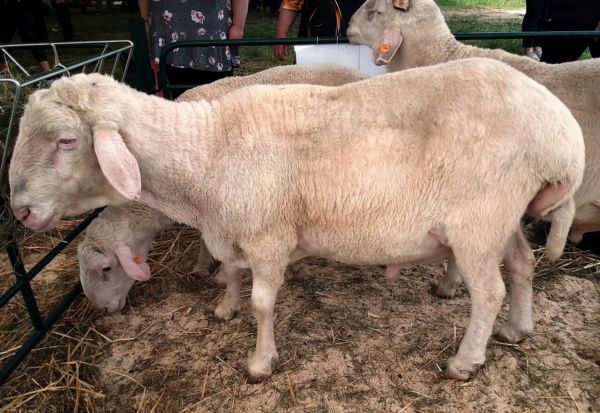
Assaf
A high-yielding dairy breed from Israel, an Awassi × East Friesian cross, popular in Spain and growing in Bulgaria. Weights, milk, lambing and tips.
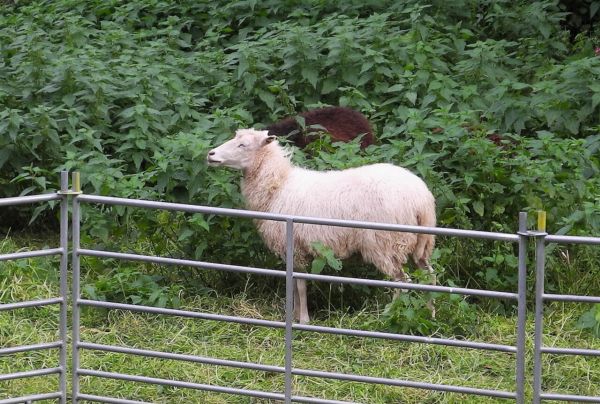
East Friesian
The highest-yielding dairy sheep, from the north of Germany, used worldwide to improve dairy flocks. Weights, milk, lambing and its weak points.
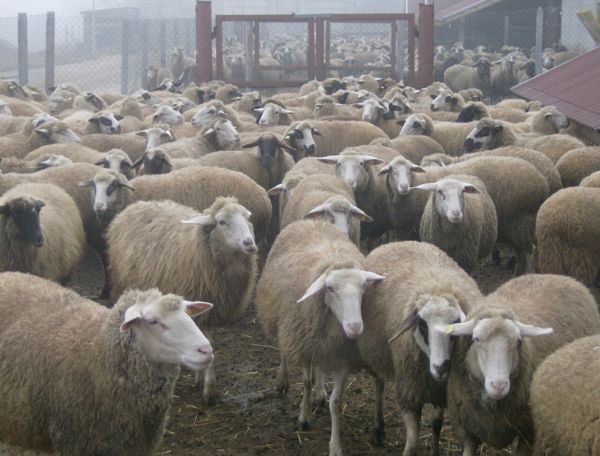
Synthetic Population Bulgarian Dairy
The most widespread dairy sheep in Bulgaria, bred from local sheep crossed with East Friesian and Awassi. Weights, milk, lambing and tips for small farms.