

Synthetic Population Bulgarian Dairy sheep: weight and milk
The most widespread dairy sheep in Bulgaria, bred from local sheep crossed with East Friesian and Awassi. Weights, milk, lambing and tips for small farms.
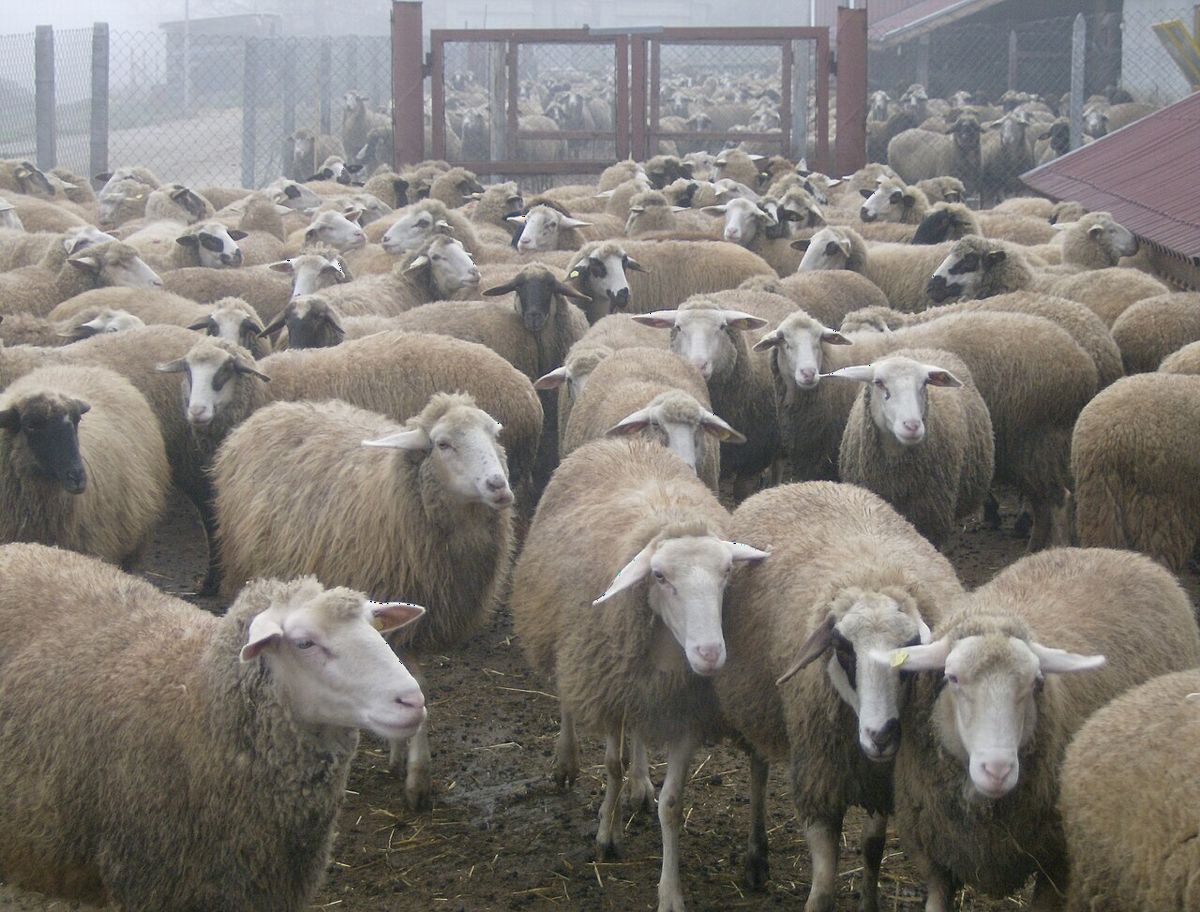

At a glance
| Origin | Bulgaria |
|---|---|
| Purpose | Milk, with lambs for meat |
| Colour | White, often with dark spots on the head and legs |
| Horns | Mostly polled |
| Ewe weight | 55–65 kg |
| Ram weight | 80–100 kg |
| Lamb birth weight | 3.5–4.5 kg |
| Milk per lactation | 200–280 l |
| Lambs per lambing | 1.4–1.6 |
| Lambing | Easy |
| Temperament | Calm |
Typical ranges for adult animals; they vary with the line, feeding and management.
History and origin
The breed was created in Bulgaria in the last decades of the 20th century by crossing local sheep with East Friesian and Awassi rams, to raise the milk yield while keeping the hardiness of the local flocks. It is now the most common dairy sheep in the country.
Appearance and character
The sheep are medium to large, white, often with dark spots on the head and legs, and mostly hornless. The udder is large and well shaped for machine milking. They are calm and used to daily handling.
How much does a Bulgarian dairy sheep weigh?
Ewes usually weigh 55–65 kg and rams 80–100 kg. Lambs are born at about 3.5–4.5 kg; twins are a little lighter.
Milk yield
A ewe gives about 200–280 litres of milk in a lactation, after the lamb has been weaned, with about 6–7% fat. Good flocks with careful feeding and selection give more.
Lambing and fertility
Ewes lamb easily and about every second one has twins: 140–160 lambs are born per 100 ewes. Most flocks lamb once a year, in winter, so that the milking season follows in spring.
On a small farm
For a small dairy flock this is a sensible choice: good milk, hardy animals used to Bulgarian conditions, and rams easy to find. Ewes in milk need good pasture or hay and some concentrate to keep their yield.
Other breeds
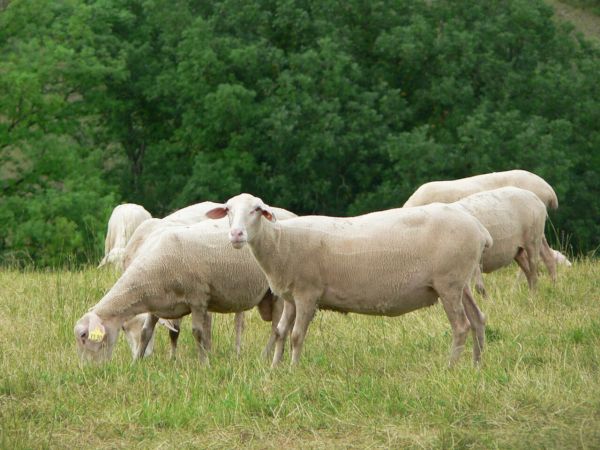
Lacaune
A white French dairy breed, famous for the milk of Roquefort cheese, now kept in many Bulgarian dairy flocks. Weights, milk, lambing and crossbreeding.
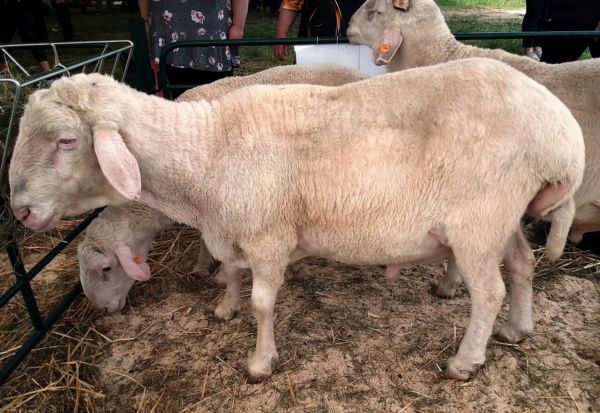
Assaf
A high-yielding dairy breed from Israel, an Awassi × East Friesian cross, popular in Spain and growing in Bulgaria. Weights, milk, lambing and tips.
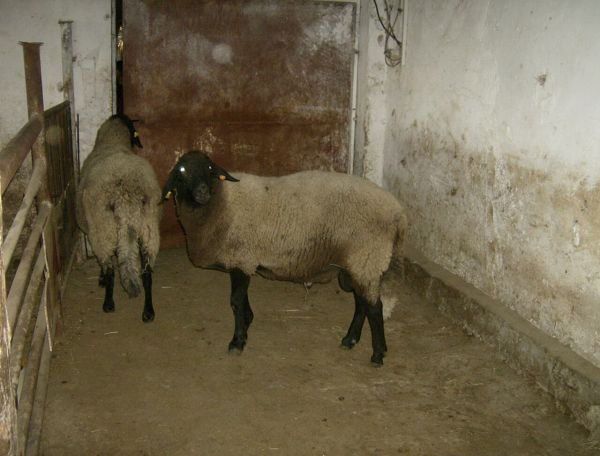
Pleven Blackhead
A local Bulgarian breed from the region of Pleven, white with a black head and legs, kept for milk and meat. Weights, milk, lambing and keeping it today.