Goat breeds
Saanen, Alpine, Toggenburg, Anglo-Nubian, Boer and Bulgarian goats: origin, weight, milk, kidding and use in crossbreeding.
Bulgarian White Dairy
The main improved dairy goat of Bulgaria, bred from local goats crossed with Saanen. Weights, milk, kidding and tips for small farms.
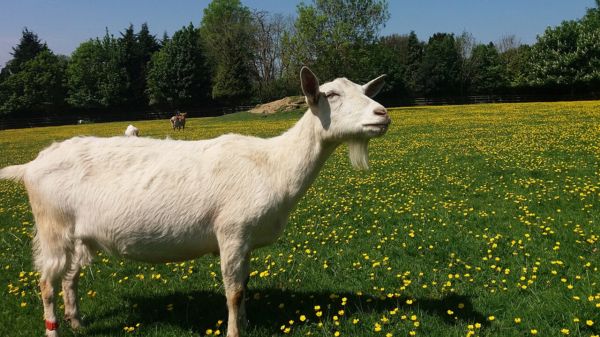
Saanen
A large white dairy goat from Switzerland, the most widespread dairy goat in the world. Weights, milk, kidding and crossbreeding.
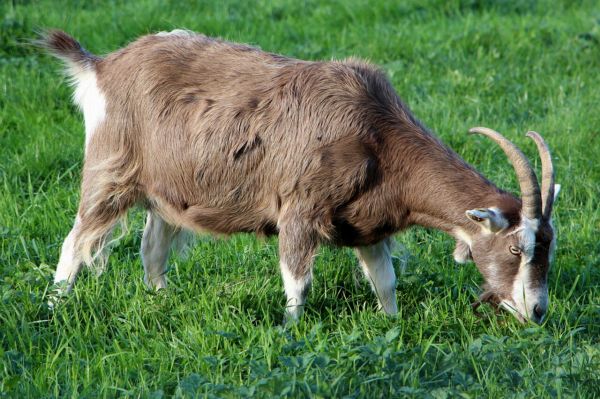
Toggenburg
A brown Swiss dairy goat with white face stripes, hardy and medium-sized. Weights, milk, kidding and tips for small farms.
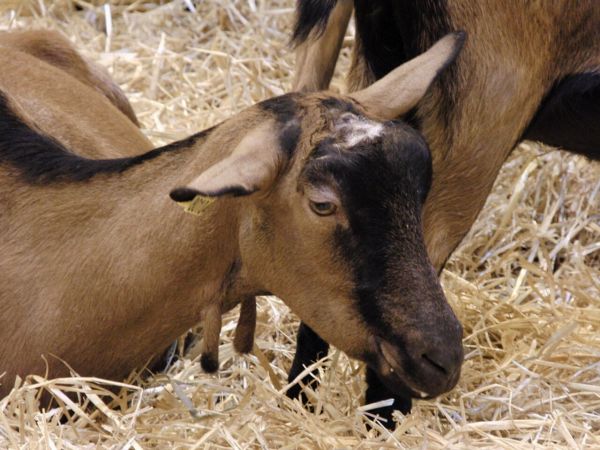
Alpine
A hardy dairy goat from the French and Swiss Alps, most often brown with black markings. Weights, milk, kidding and crossbreeding.
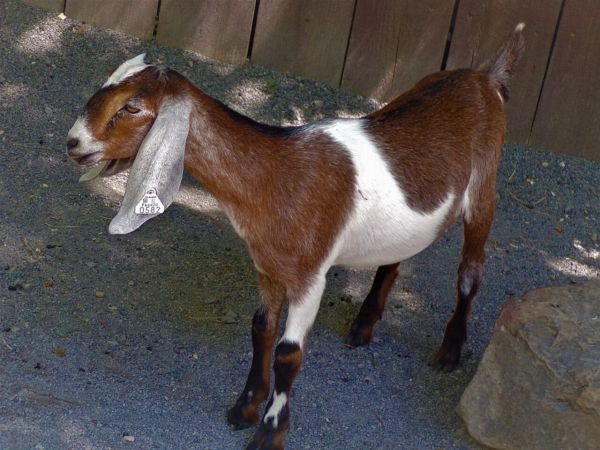
Anglo-Nubian
A British dairy goat with long drooping ears and a Roman nose, giving rich milk and doing well in heat. Weights, milk, kidding and tips.
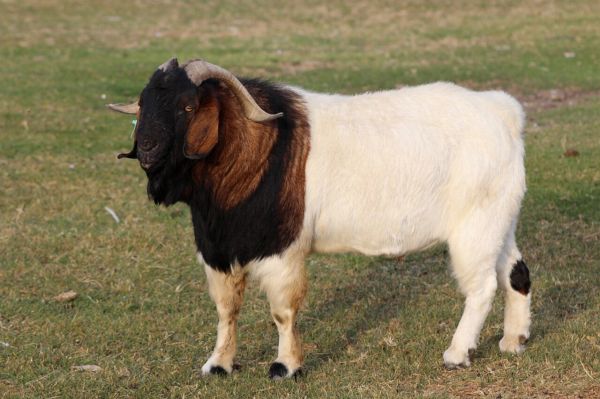
Boer
The leading meat goat breed, from South Africa: a white body with a red-brown head, fast-growing kids. Weights, daily gain, kidding and crossbreeding.
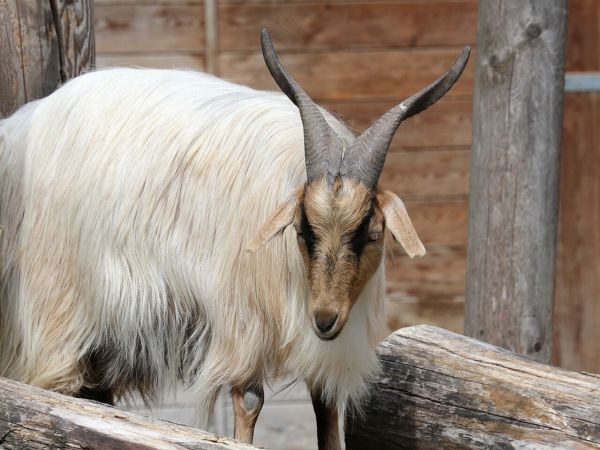
Local Bulgarian goats
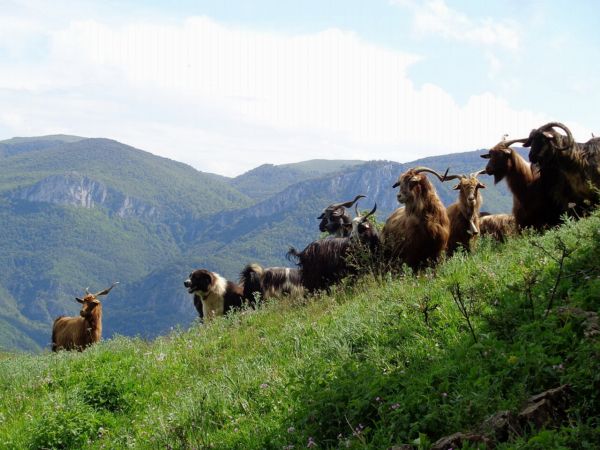
The hardy local goats of Bulgaria, among them the rare Bulgarian Screw-horned Long-haired goat: weights, milk, kidding and keeping them today.
Crossbred goats
Why goat farmers cross breeds, which crosses improve the milk or the meat of local goats, and how to work out the breed percentages of a kid.
How to choose a goat breed
- For milk, the Saanen and the Alpine give the most; the Bulgarian White Dairy is smaller and hardier, and the Anglo-Nubian gives less but richer milk.
- For meat, the Boer grows fastest and is most often used as a buck on other does.
- Local goats live on shrubs and poor pasture and are the hardiest, but give little milk.
- Crossing local does with dairy or meat bucks is the usual way to improve a herd.