

Crossbred sheep: dairy and meat crosses
Why sheep farmers cross breeds, which crosses are common in Bulgaria for milk and for meat lambs, and how to work out the breed percentages of a lamb.
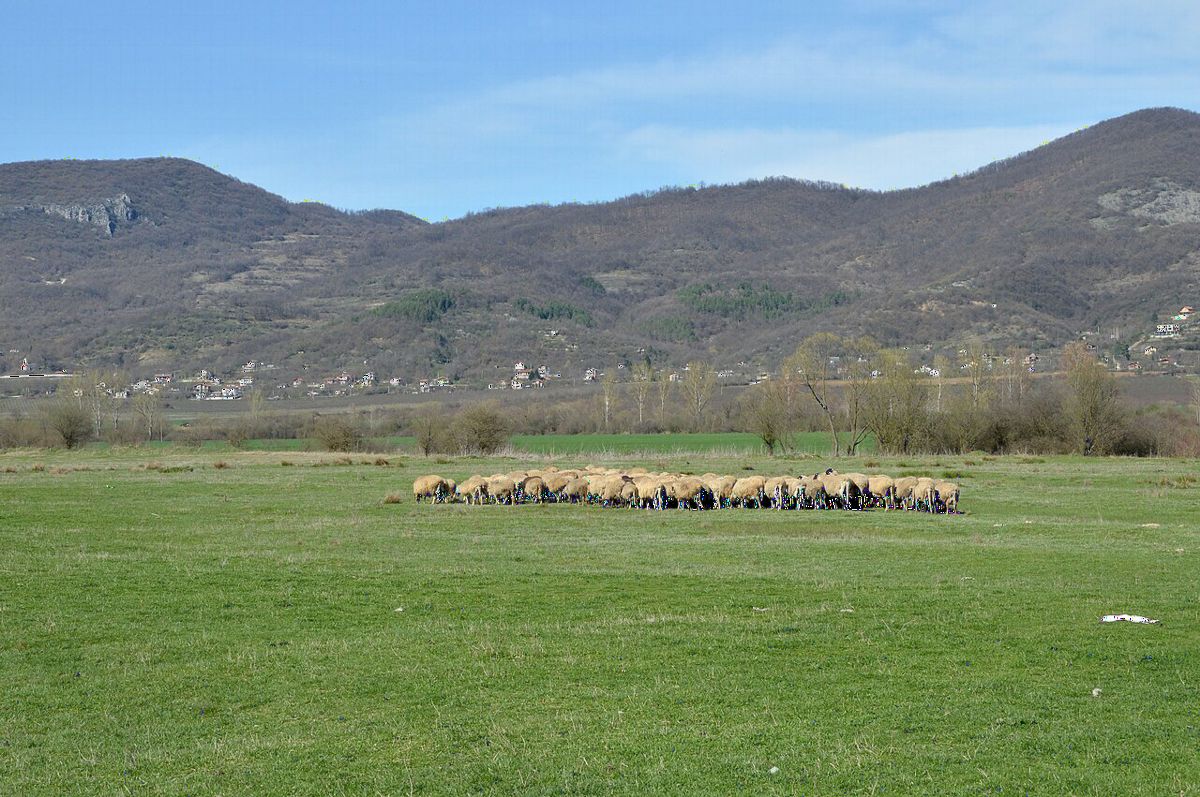

What is a crossbred?
A crossbred lamb has parents of different breeds. Most Bulgarian flocks are crossbred to some degree: local ewes are hardy and cheap to keep, and rams of improved breeds add milk or meat.
Common crosses in Bulgaria
- For milk: Lacaune, Assaf or East Friesian rams on local or Bulgarian dairy ewes. The crossbred ewes milk clearly more and stay hardier than the purebred dairy breeds.
- For meat lambs: Ile de France or Texel rams on dairy or local ewes. All lambs are sold, and they grow faster and have more meat.
- Bulgarian dairy ewes of the Synthetic Population are themselves a stabilised cross of local sheep with East Friesian and Awassi.
What is hybrid vigour?
Crossbred sheep usually do better than the average of their parent breeds, above all in fertility, lamb survival and growth. The effect is greatest in the first cross and is why crossbred ewes are valued as mothers.
Recording crossbreds in Stadoto
In Stadoto you can give a sheep several breeds with their percentages, or let the app work them out from the parents: half of the mother’s breeds and half of the father’s. Twins and triplets are recorded from one lambing, each with its own ear tag and weight.
Other breeds
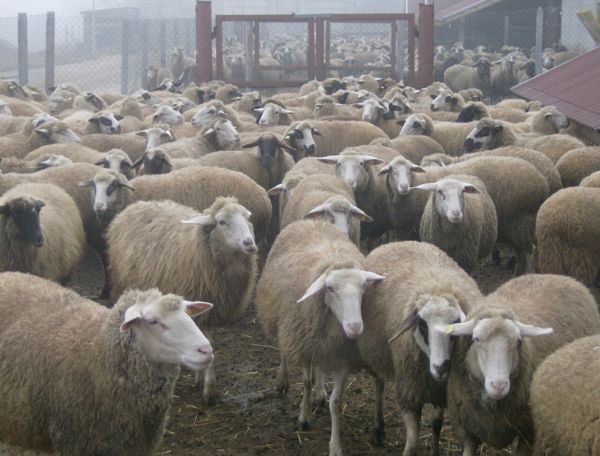
Synthetic Population Bulgarian Dairy
The most widespread dairy sheep in Bulgaria, bred from local sheep crossed with East Friesian and Awassi. Weights, milk, lambing and tips for small farms.
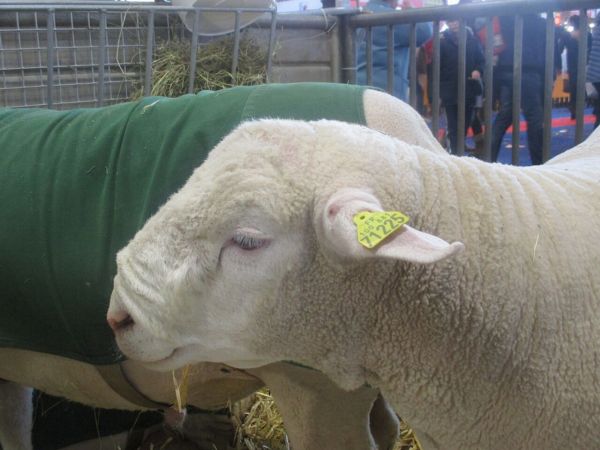
Ile de France
A large French meat breed with fast-growing lambs, widely used as a ram on Bulgarian ewes. Weights, daily gain, lambing and crossbreeding.
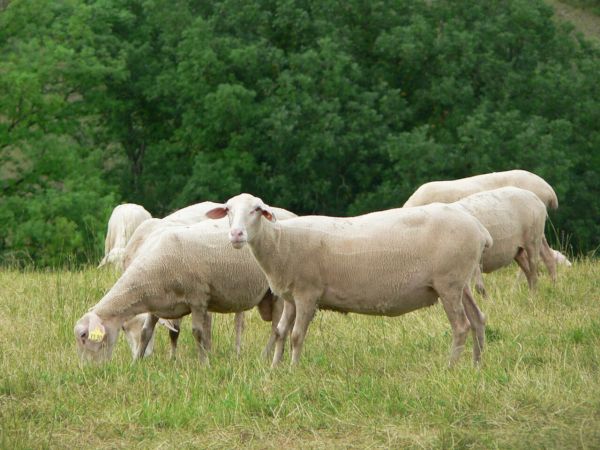
Lacaune
A white French dairy breed, famous for the milk of Roquefort cheese, now kept in many Bulgarian dairy flocks. Weights, milk, lambing and crossbreeding.