

East Friesian sheep: weight and milk
The highest-yielding dairy sheep, from the north of Germany, used worldwide to improve dairy flocks. Weights, milk, lambing and its weak points.
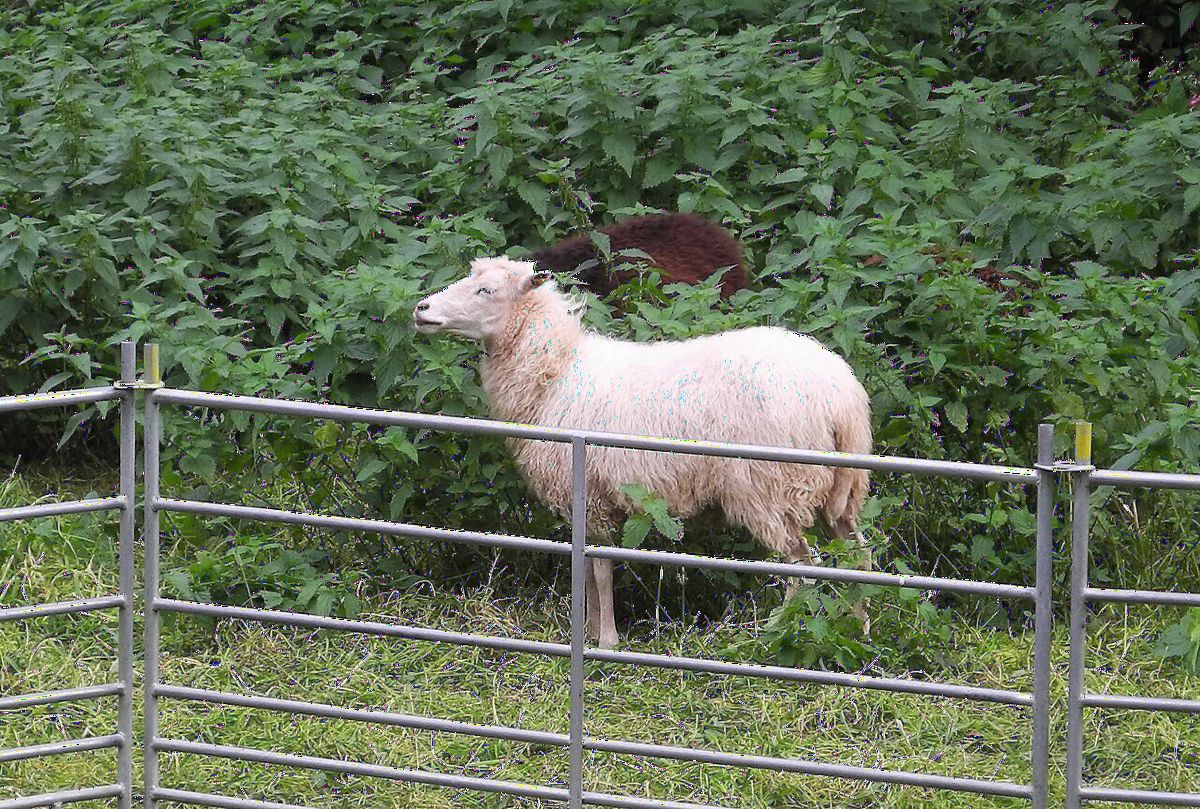

At a glance
| Origin | Germany (East Frisia) and the Netherlands |
|---|---|
| Purpose | Milk |
| Colour | White, rarely black; a thin, bare tail |
| Horns | Polled |
| Ewe weight | 70–90 kg |
| Ram weight | 100–120 kg |
| Lamb birth weight | 4–5 kg |
| Milk per lactation | 400–600 l |
| Lambs per lambing | 2–2.3 |
| Lambing | Easy |
| Temperament | Calm |
Typical ranges for adult animals; they vary with the line, feeding and management.
History and origin
The East Friesian comes from the coastal marshes of north-west Germany and the Netherlands, where farmers kept a few sheep each for milk. Its genes are in most modern dairy breeds, among them the Assaf and the Bulgarian Synthetic Population.
Appearance and character
The sheep are large, white and hornless, with a bare face and legs and a typical thin “rat tail” without wool. They are tame and used to living close to people.
How much does an East Friesian sheep weigh?
Ewes usually weigh 70–90 kg and rams 100–120 kg. Lambs are born at about 4–5 kg, and there are many of them.
Milk yield
Under good conditions an East Friesian ewe gives 400–600 litres a lactation, the most of any sheep breed, but with less fat, about 6%.
Lambing and fertility
Ewes are very prolific: about 200–230 lambs per 100 ewes, so twins and triplets are common and the ewes need good feeding in late pregnancy.
Hardiness and health
Purebred East Friesians do poorly in heat and in large flocks on poor pasture, and they are prone to respiratory disease and foot problems. That is why the breed is used mostly for crossing: half or quarter East Friesian ewes keep much of the milk and are far hardier.
Other breeds
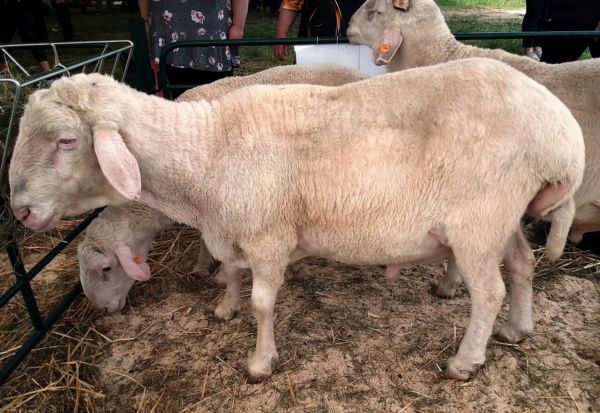
Assaf
A high-yielding dairy breed from Israel, an Awassi × East Friesian cross, popular in Spain and growing in Bulgaria. Weights, milk, lambing and tips.
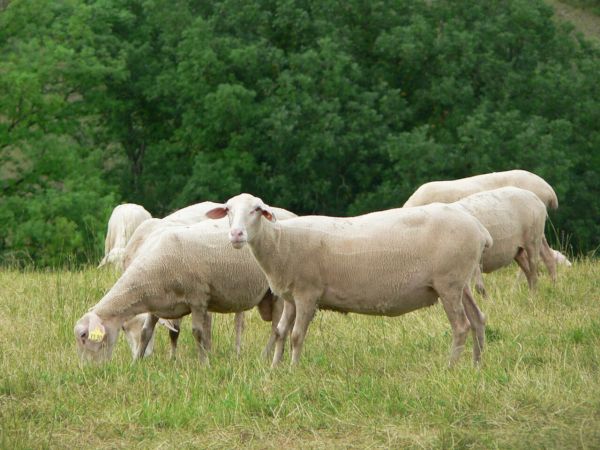
Lacaune
A white French dairy breed, famous for the milk of Roquefort cheese, now kept in many Bulgarian dairy flocks. Weights, milk, lambing and crossbreeding.
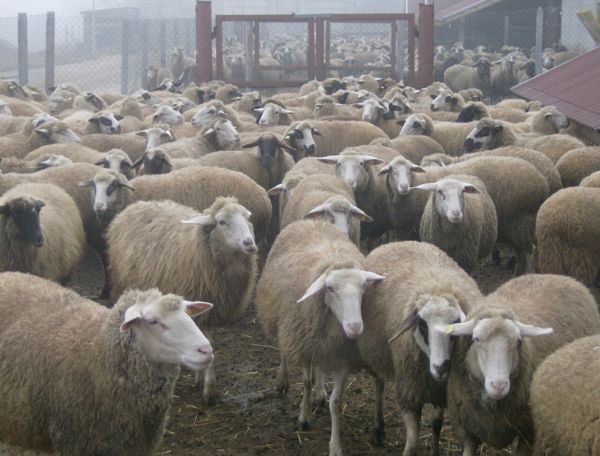
Synthetic Population Bulgarian Dairy
The most widespread dairy sheep in Bulgaria, bred from local sheep crossed with East Friesian and Awassi. Weights, milk, lambing and tips for small farms.