

Texel sheep: weight and meat
A heavily muscled meat breed from the Dutch island of Texel, the most popular terminal sire in Europe. Weights, daily gain, lambing and tips.
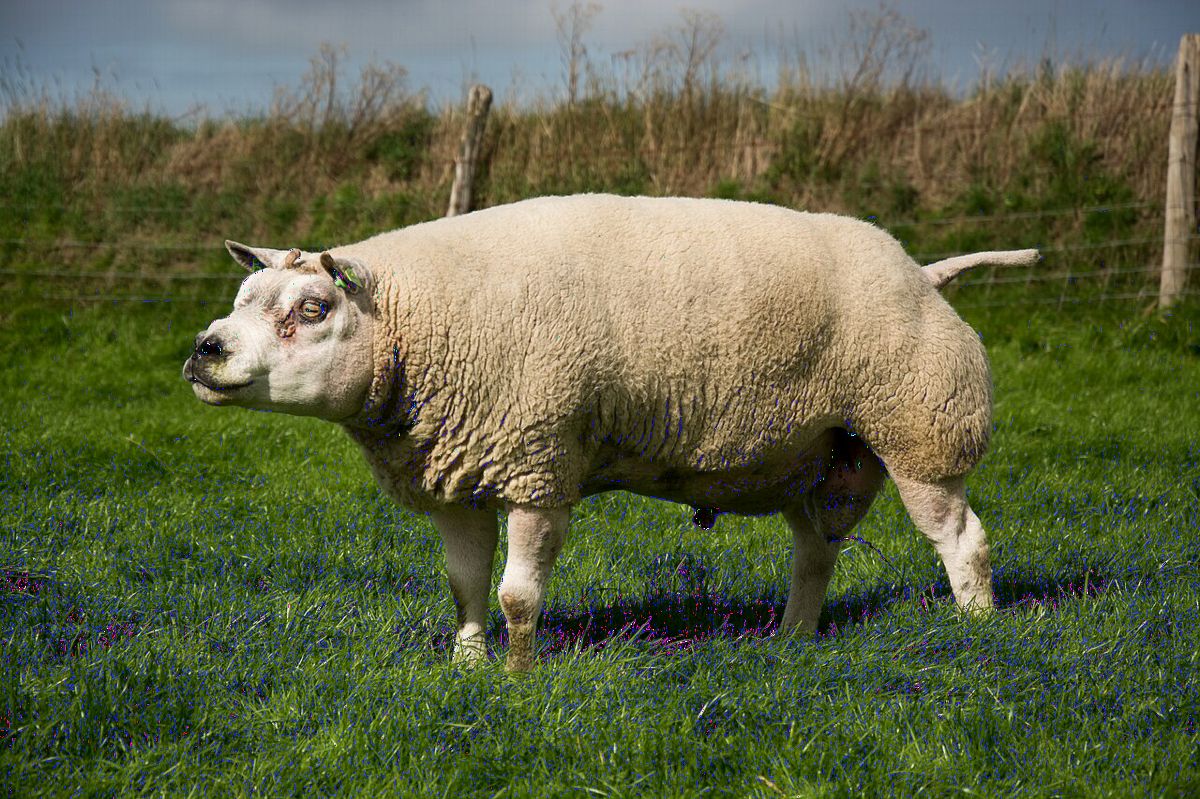

At a glance
| Origin | Netherlands (island of Texel) |
|---|---|
| Purpose | Meat |
| Colour | White, with a bare white face and a black nose |
| Horns | Polled |
| Ewe weight | 70–85 kg |
| Ram weight | 100–130 kg |
| Lamb birth weight | 4–5.5 kg |
| Daily gain of lambs | 0.3–0.4 kg/day |
| Lambs per lambing | 1.5–1.8 |
| Lambing | Easy to moderate |
| Temperament | Calm |
Typical ranges for adult animals; they vary with the line, feeding and management.
History and origin
The Texel was bred on the island of Texel in the Netherlands, where local sheep were crossed with English breeds in the 19th century and then selected for meat. It spread across Europe in the 20th century and is now one of the most widespread meat breeds.
Appearance and character
Texel sheep are compact and very well muscled, with a short, broad back and thick legs of meat. The face and legs are white and bare, the nose black, and the head has no horns. They are hardy and do well outdoors.
How much does a Texel sheep weigh?
Ewes usually weigh 70–85 kg and rams 100–130 kg. Lambs are born at 4–5.5 kg and grow 300–400 g a day. The carcass is lean, with a high share of meat and little fat.
Lambing and fertility
Ewes give about 150–180 lambs per 100 ewes. Because the lambs are broad in the shoulders, lambing sometimes needs help, more often in purebred flocks than when a Texel ram is put on smaller ewes.
Use in crossbreeding
Texel rams are used as terminal sires on dairy and local ewes: all the lambs are sold for meat and have clearly more muscle than the purebred lambs of their mothers.
Other breeds
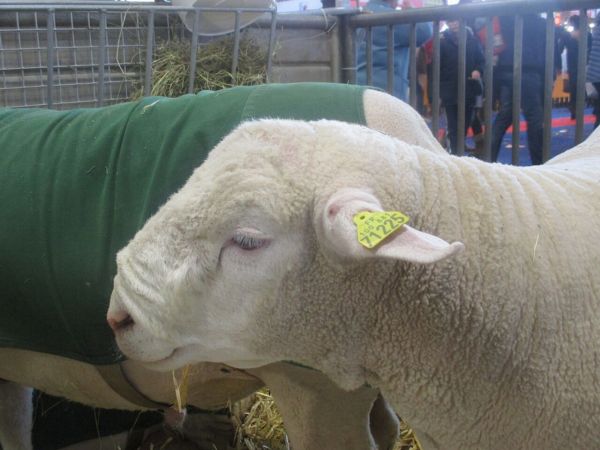
Ile de France
A large French meat breed with fast-growing lambs, widely used as a ram on Bulgarian ewes. Weights, daily gain, lambing and crossbreeding.
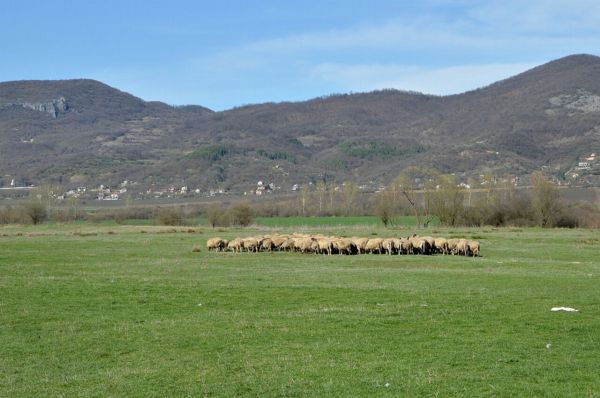
Crossbred sheep
Why sheep farmers cross breeds, which crosses are common in Bulgaria for milk and for meat lambs, and how to work out the breed percentages of a lamb.
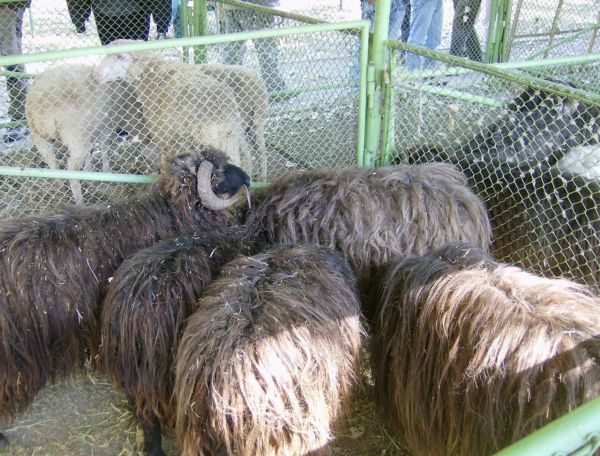
Karakachan sheep
A small, very hardy mountain sheep of the Balkans, kept by the nomadic Karakachan shepherds, now endangered. Weights, milk, wool and keeping it today.