Alpine goat: weight and milk
A hardy dairy goat from the French and Swiss Alps, most often brown with black markings. Weights, milk, kidding and crossbreeding.

At a glance
| Origin | The French and Swiss Alps |
|---|---|
| Purpose | Milk |
| Colour | Varied; most often brown with a black stripe on the back and black legs |
| Horns | Horned or polled |
| Doe weight | 55–70 kg |
| Buck weight | 70–90 kg |
| Kid birth weight | 3.5–4.5 kg |
| Milk per lactation | 600–900 l |
| Kids per kidding | 1.7–2 |
| Kidding | Easy |
| Temperament | Lively |
Typical ranges for adult animals; they vary with the line, feeding and management.
History and origin
The Alpine was formed from the goats of the French and Swiss Alps and selected in France in the 20th century. With the Saanen it makes up most dairy goats in France, where its milk goes into many goat cheeses.
Appearance and character
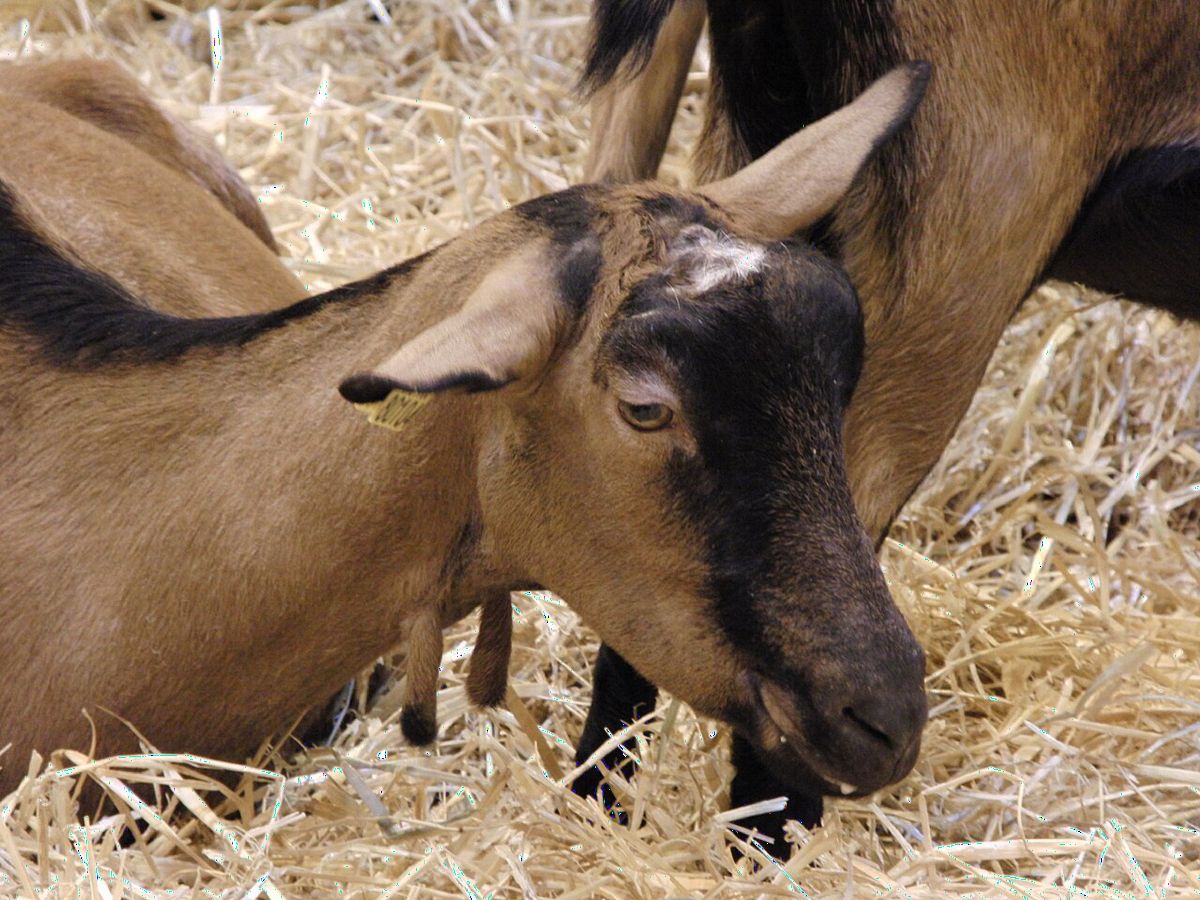
Alpine goats are medium to large, with short hair and upright ears. The colour varies; the most common is chamoisée: brown with a black stripe along the back and black legs. They are lively, curious and hardy.
How much does an Alpine goat weigh?
Does usually weigh 55–70 kg and bucks 70–90 kg. Kids are born at about 3.5–4.5 kg.
Milk yield
A doe gives about 600–900 litres a lactation, with 3.5–4% fat and good protein, which makes it well suited to cheese.
Kidding and fertility
Does usually have twins: about 170–200 kids per 100 does.
Use in crossbreeding
Alpine bucks are used, like Saanen bucks, to raise the milk of local does, and the crosses keep much of the Alpine’s hardiness.
Other breeds
Saanen
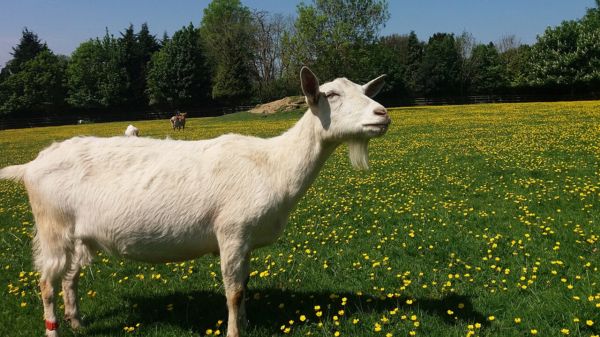
A large white dairy goat from Switzerland, the most widespread dairy goat in the world. Weights, milk, kidding and crossbreeding.
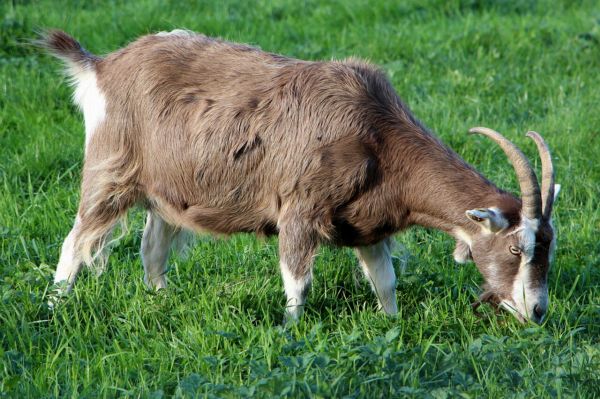
Toggenburg
A brown Swiss dairy goat with white face stripes, hardy and medium-sized. Weights, milk, kidding and tips for small farms.
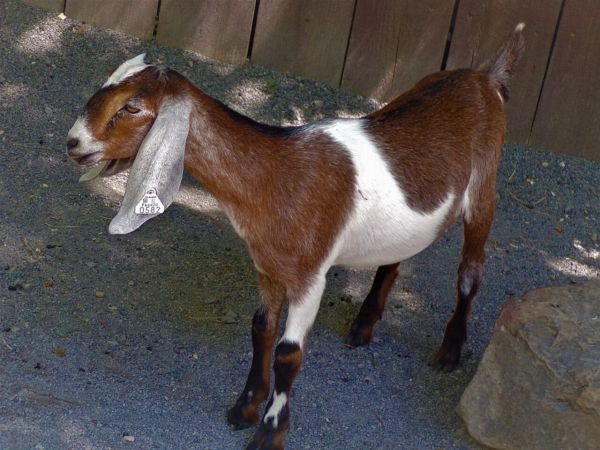
Anglo-Nubian
A British dairy goat with long drooping ears and a Roman nose, giving rich milk and doing well in heat. Weights, milk, kidding and tips.