Toggenburg goat: weight and milk
A brown Swiss dairy goat with white face stripes, hardy and medium-sized. Weights, milk, kidding and tips for small farms.

At a glance
| Origin | Switzerland (Toggenburg valley) |
|---|---|
| Purpose | Milk |
| Colour | Light to dark brown, with white face stripes, legs and rump |
| Horns | Horned or polled |
| Doe weight | 45–60 kg |
| Buck weight | 65–80 kg |
| Kid birth weight | 3–4 kg |
| Milk per lactation | 500–800 l |
| Kids per kidding | 1.7–2 |
| Kidding | Easy |
| Temperament | Calm |
Typical ranges for adult animals; they vary with the line, feeding and management.
History and origin
The Toggenburg comes from the Toggenburg valley in the canton of St. Gallen in Switzerland and is one of the oldest recorded dairy goat breeds. It spread to Britain and the Americas in the 19th and 20th centuries.
Appearance and character
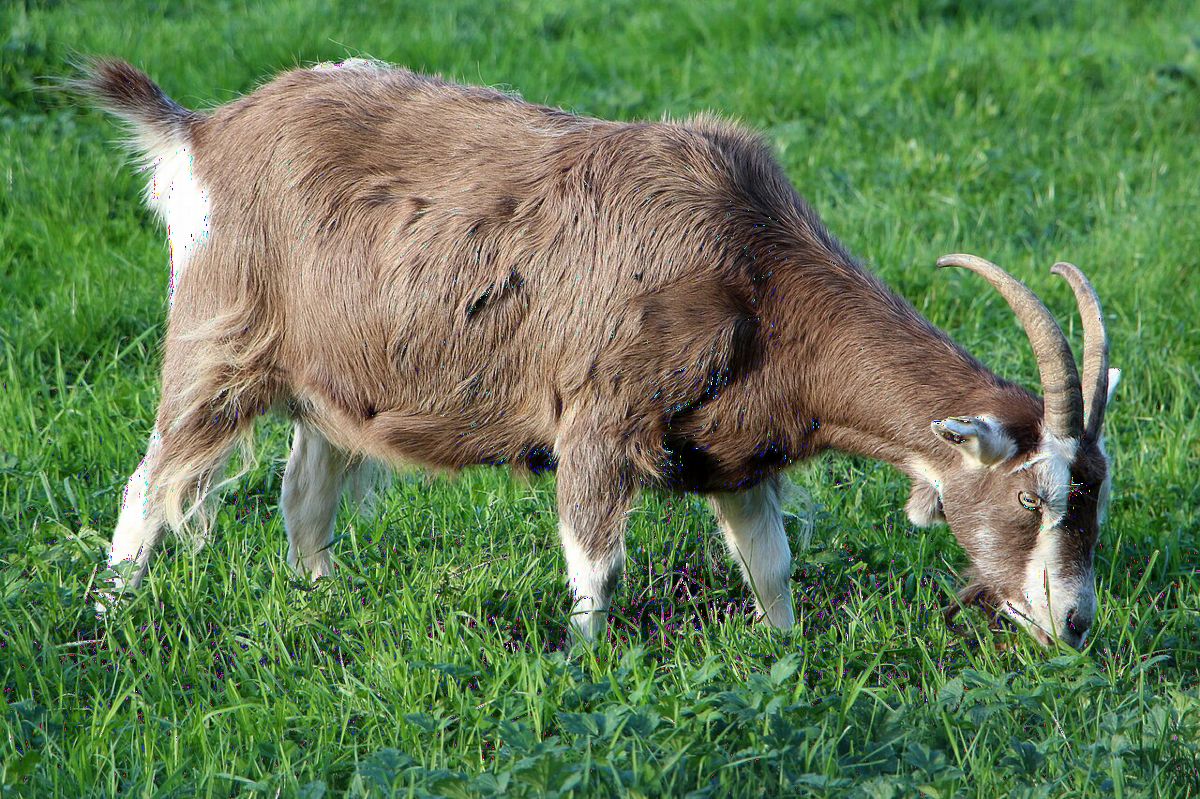
The goats are medium-sized, light to dark brown, with two white stripes down the face, white lower legs and a white patch around the tail. The hair can be short or long. They are hardy and do well in cool climates.
How much does a Toggenburg goat weigh?
Does usually weigh 45–60 kg and bucks 65–80 kg. Kids are born at about 3–4 kg.
Milk yield
A doe gives about 500–800 litres a lactation, with about 3–3.5% fat, and keeps milking for a long time.
Kidding and fertility
Does usually have twins: about 170–200 kids per 100 does.
On a small farm
Smaller and hardier than the Saanen, the Toggenburg suits a small farm with cold winters and a few dairy goats.
Other breeds
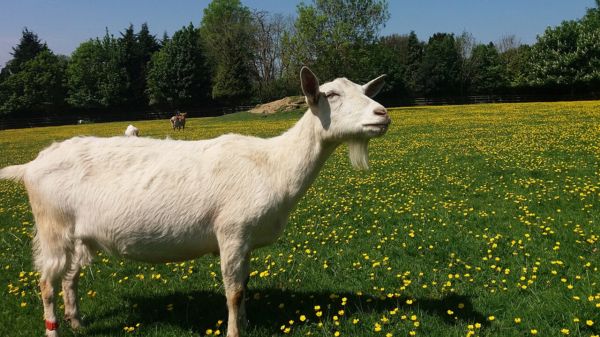
Saanen
A large white dairy goat from Switzerland, the most widespread dairy goat in the world. Weights, milk, kidding and crossbreeding.
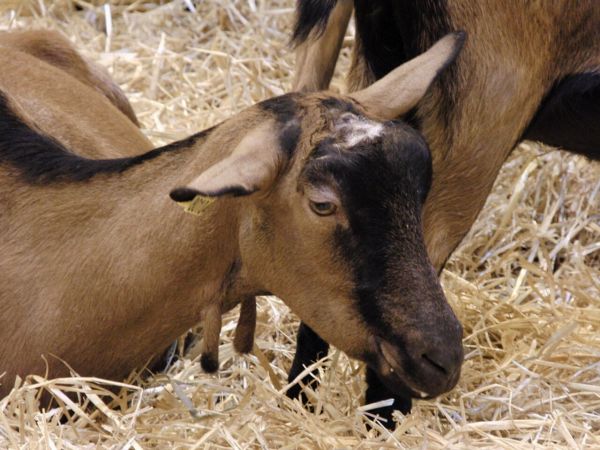
Alpine
A hardy dairy goat from the French and Swiss Alps, most often brown with black markings. Weights, milk, kidding and crossbreeding.
Bulgarian White Dairy
The main improved dairy goat of Bulgaria, bred from local goats crossed with Saanen. Weights, milk, kidding and tips for small farms.