Local Bulgarian goats: weight and characteristics
The hardy local goats of Bulgaria, among them the rare Bulgarian Screw-horned Long-haired goat: weights, milk, kidding and keeping them today.

At a glance
| Origin | Bulgaria |
|---|---|
| Purpose | Milk, meat and hair |
| Colour | Varied: white, black, brown or spotted |
| Horns | Mostly horned; spiral horns in the Screw-horned Long-haired goat |
| Doe weight | 35–45 kg |
| Buck weight | 50–65 kg |
| Kid birth weight | 2.5–3.5 kg |
| Milk per lactation | 150–250 l |
| Kids per kidding | 1.2–1.5 |
| Kidding | Very easy |
| Temperament | Lively |
Typical ranges for adult animals; they vary with the line, feeding and management.
History and origin
Goats have been kept in Bulgaria since ancient times, mostly in the mountains and on poor, shrubby land. Local goats are not one breed but a hardy, varied population. The best known old breed is the Bulgarian Screw-horned Long-haired goat, now rare and kept in conservation herds.
Appearance and character
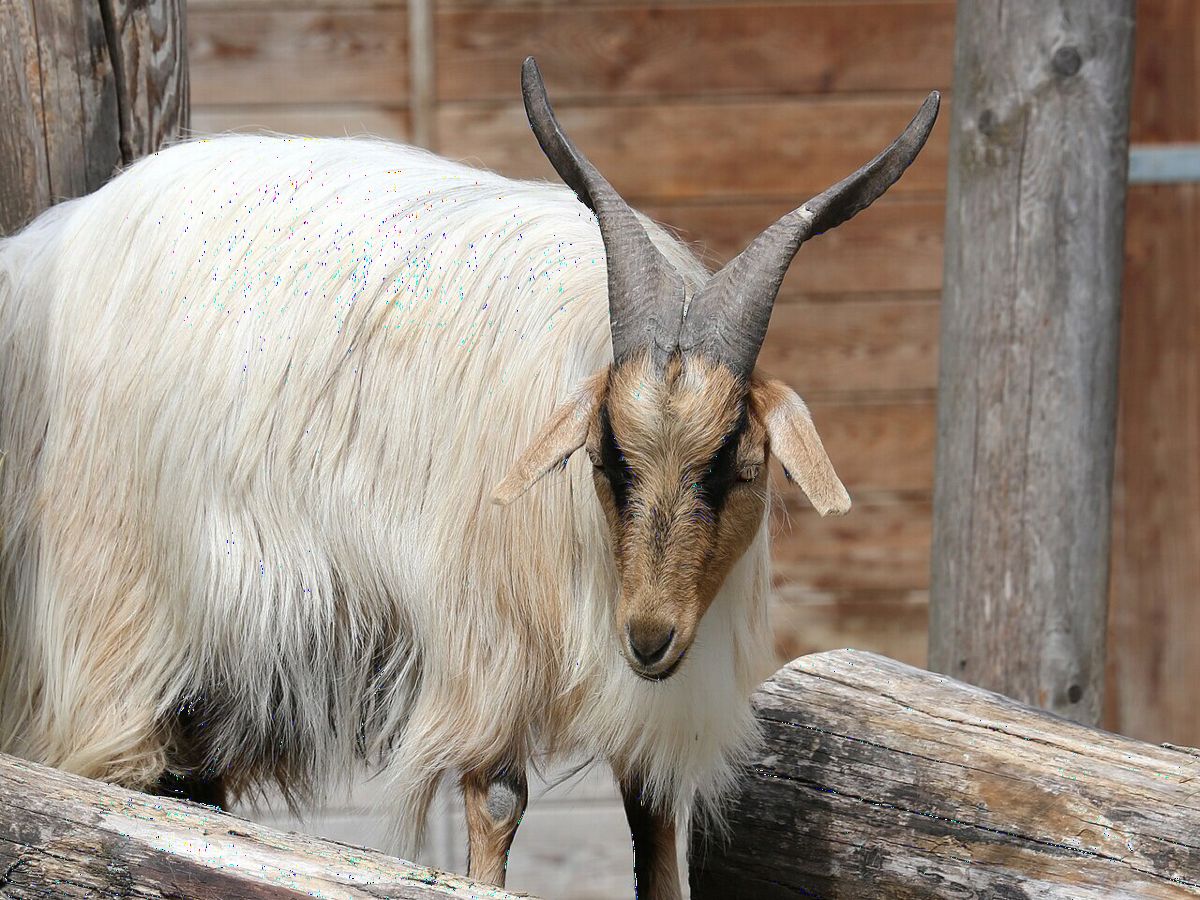
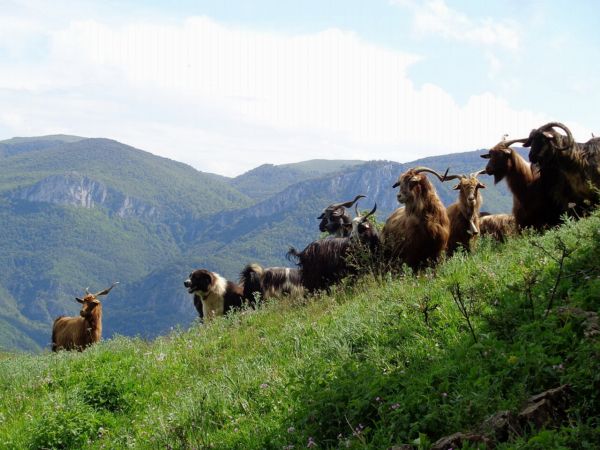
Local goats are small to medium and come in all colours. Most are horned. The Screw-horned Long-haired goat is white to fawn, with long hair and long, twisted horns. They are lively, independent and good climbers.
How much does a local goat weigh?
Does usually weigh 35–45 kg and bucks 50–65 kg. Kids are born at about 2.5–3.5 kg.
Hardiness and health
Local goats live on shrubs, leaves and poor pasture where other livestock would not thrive, and they rarely fall ill. A doe gives some 150–250 litres of rich milk and usually one or two kids.
On a small farm
Local does are cheap to keep and a good base for crossing with dairy or meat bucks. Pure old breeds such as the Screw-horned Long-haired goat are worth keeping for conservation.
Keeping endangered local breeds can qualify for agri-environment support in Bulgaria; ask your local agricultural advisory office about the current rules.
Other breeds
Bulgarian White Dairy
The main improved dairy goat of Bulgaria, bred from local goats crossed with Saanen. Weights, milk, kidding and tips for small farms.
Karakachan sheep
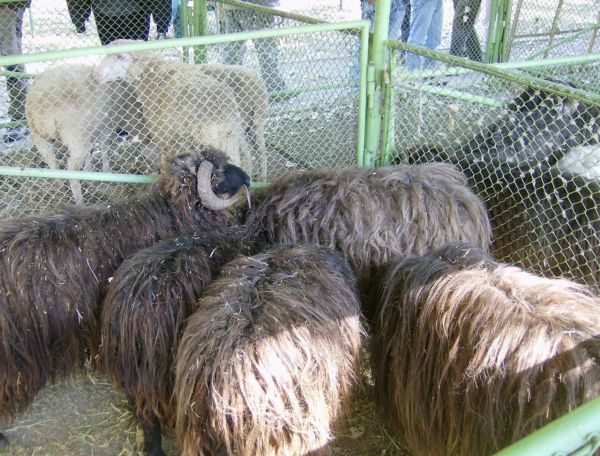
A small, very hardy mountain sheep of the Balkans, kept by the nomadic Karakachan shepherds, now endangered. Weights, milk, wool and keeping it today.
Crossbred goats
Why goat farmers cross breeds, which crosses improve the milk or the meat of local goats, and how to work out the breed percentages of a kid.