

Bulgarian White Dairy goat: weight and milk
The main improved dairy goat of Bulgaria, bred from local goats crossed with Saanen. Weights, milk, kidding and tips for small farms.
At a glance
| Origin | Bulgaria |
|---|---|
| Purpose | Milk |
| Colour | White, short-haired |
| Horns | Horned or polled |
| Doe weight | 45–55 kg |
| Buck weight | 60–75 kg |
| Kid birth weight | 3–4 kg |
| Milk per lactation | 400–600 l |
| Kids per kidding | 1.6–1.9 |
| Kidding | Easy |
| Temperament | Calm |
Typical ranges for adult animals; they vary with the line, feeding and management.
History and origin
The breed was created in Bulgaria in the 20th century by crossing local goats with Saanen bucks and selecting the offspring for milk. It keeps the Saanen’s yield in a smaller, hardier goat that copes with Bulgarian pasture and winters.
Appearance and character
The goats are white and short-haired, medium-sized, with a well-attached udder. Some are horned and some hornless. They are calm and easy to milk.
How much does a Bulgarian White Dairy goat weigh?
Does usually weigh 45–55 kg and bucks 60–75 kg. Kids are born at about 3–4 kg.
Milk yield
A doe gives about 400–600 litres a lactation, with about 3.5% fat. With good hay and some concentrate the best does give more.
Kidding and fertility
Does kid easily and often have twins: about 160–190 kids per 100 does.
On a small farm
For a small dairy goat farm in Bulgaria this is usually the easiest choice: animals are available, adapted to local conditions and milk well without the feeding of the purebred Saanen.
Other breeds
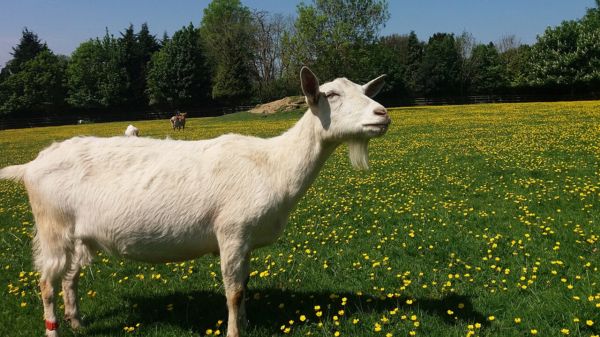
Saanen
A large white dairy goat from Switzerland, the most widespread dairy goat in the world. Weights, milk, kidding and crossbreeding.
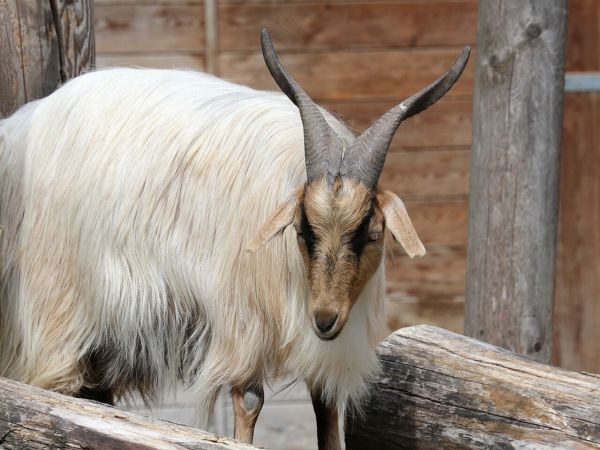
Local Bulgarian goats
The hardy local goats of Bulgaria, among them the rare Bulgarian Screw-horned Long-haired goat: weights, milk, kidding and keeping them today.
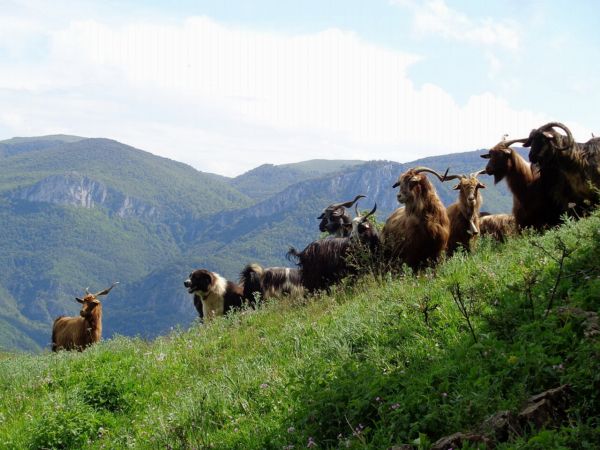
Crossbred goats
Why goat farmers cross breeds, which crosses improve the milk or the meat of local goats, and how to work out the breed percentages of a kid.