
Karakachan sheep: weight and characteristics
A small, very hardy mountain sheep of the Balkans, kept by the nomadic Karakachan shepherds, now endangered. Weights, milk, wool and keeping it today.
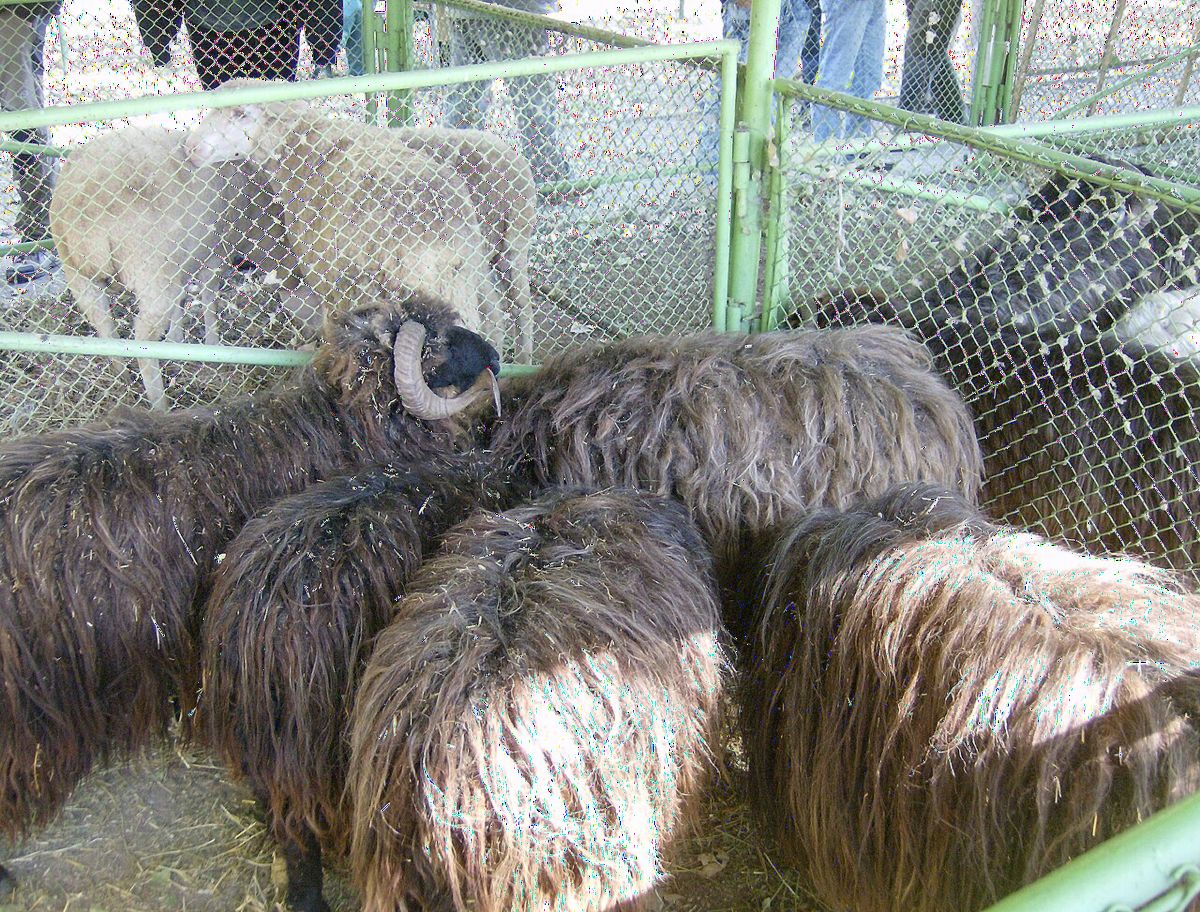

At a glance
| Origin | Bulgaria and the mountains of the Balkans |
|---|---|
| Purpose | Milk, meat and wool |
| Colour | Mostly black or dark brown, sometimes white; long, coarse wool |
| Horns | Rams with large spiral horns; ewes small horns or polled |
| Ewe weight | 25–35 kg |
| Ram weight | 35–50 kg |
| Lamb birth weight | 2–3 kg |
| Milk per lactation | 50–80 l |
| Lambs per lambing | 1–1.1 |
| Lambing | Very easy |
| Temperament | Lively |
Typical ranges for adult animals; they vary with the line, feeding and management.
History and origin
The Karakachan sheep is an old breed of the Balkan mountains, kept for centuries by the Karakachans, nomadic shepherds who moved their flocks between summer pastures in the mountains and winter pastures in the lowlands. After the flocks were collectivised in the 1950s the breed almost disappeared; today it is preserved by a few breeders and conservation groups.
Appearance and character
It is one of the smallest sheep in Europe: light-boned, with long legs and long, coarse wool, mostly black or dark brown. Rams have large spiral horns. The sheep are lively, walk long distances and keep together well against predators.
How much does a Karakachan sheep weigh?
Ewes usually weigh 25–35 kg and rams 35–50 kg. Lambs are born at about 2–3 kg and grow slowly on mountain pasture.
Hardiness and health
The breed is very hardy: it lives outdoors in the mountains, does well on poor pasture, resists disease and lambs on its own. Ewes usually have one lamb and give some 50–80 litres of rich milk.
On a small farm
The Karakachan suits extensive grazing in the mountains and conservation work rather than high production. Flocks are often guarded by Karakachan dogs, an old Bulgarian livestock guardian breed.
Keeping endangered local breeds can qualify for agri-environment support in Bulgaria; ask your local agricultural advisory office about the current rules.
Other breeds
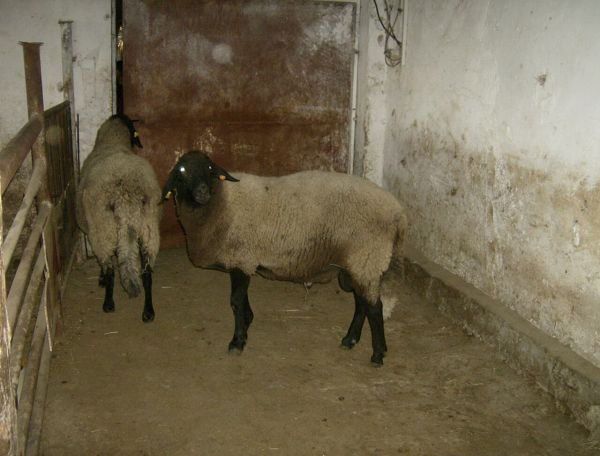
Pleven Blackhead
A local Bulgarian breed from the region of Pleven, white with a black head and legs, kept for milk and meat. Weights, milk, lambing and keeping it today.
Thracian Fine Fleece
A Bulgarian Merino-type breed from Thrace, kept for fine wool and meat. Weights, wool, lambing and keeping it today.
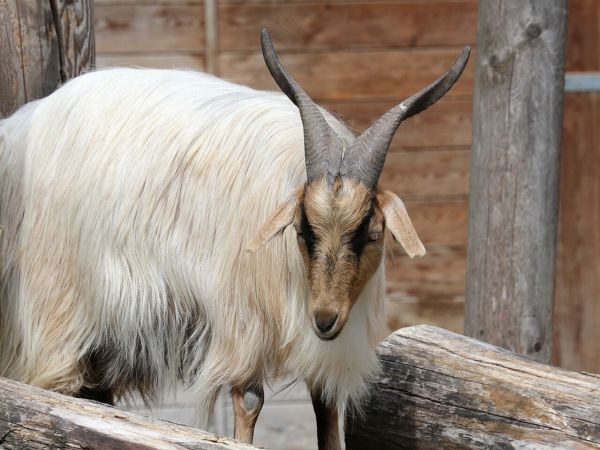
Local Bulgarian goats
The hardy local goats of Bulgaria, among them the rare Bulgarian Screw-horned Long-haired goat: weights, milk, kidding and keeping them today.