Highland cattle: weight and characteristics
A small, long-haired Scottish breed with long horns that lives outdoors all year on poor pasture. Weights, slow growth, calving and tips.

At a glance
| Origin | Scotland (Highlands and Western Isles) |
|---|---|
| Purpose | Beef |
| Colour | Red, black, yellow, dun or white, with a long shaggy coat |
| Horns | Long, wide horns |
| Cow weight | 400–550 kg |
| Bull weight | 600–800 kg |
| Calf birth weight | 25–30 kg |
| Daily gain when fattening | 0.6–0.9 kg/day |
| Calving | Very easy |
| Temperament | Docile |
Typical ranges for adult animals; they vary with the line, feeding and management.
History and origin
Highland cattle come from the Scottish Highlands and the Western Isles, where they have been kept for centuries in a harsh, wet and cold climate. The herd book was founded in 1884. Today they are kept across Europe and North America, often for conservation grazing.
Appearance and character
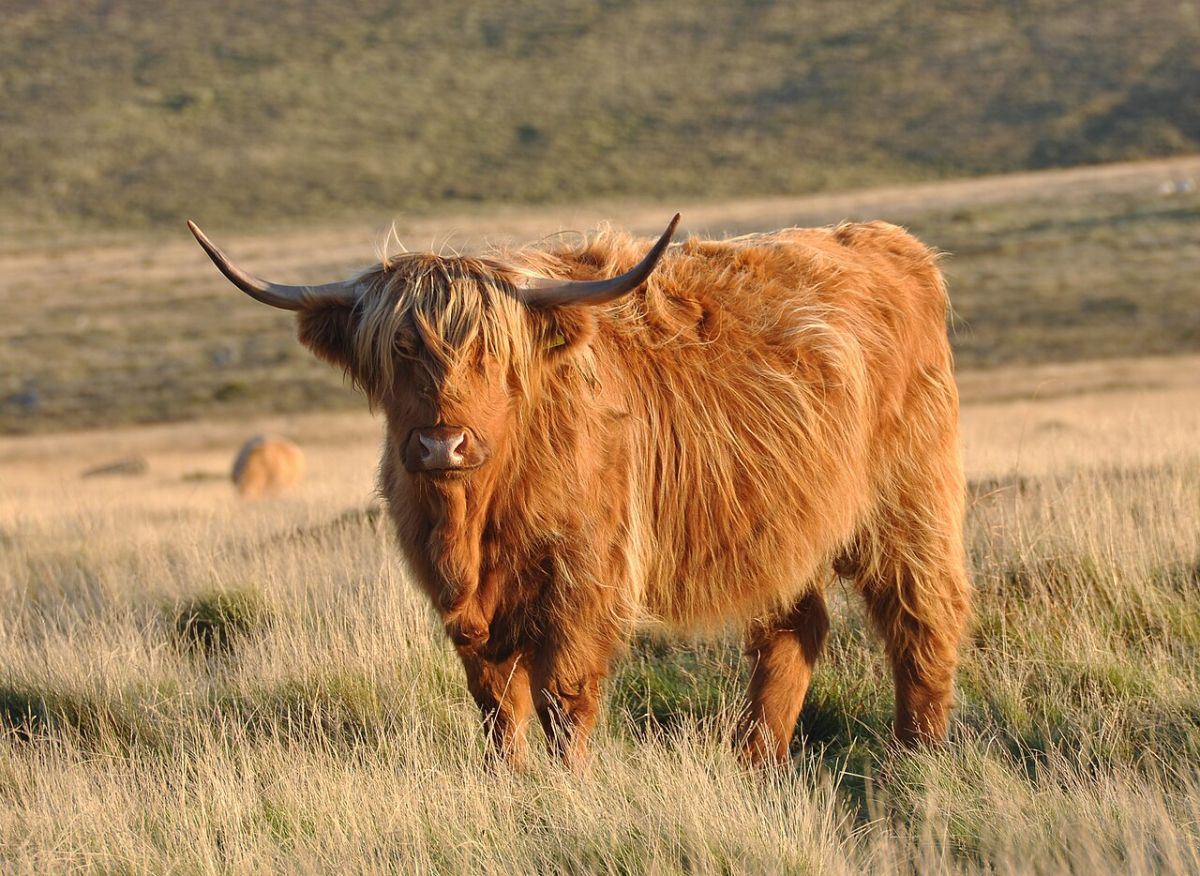
Highlands have a long, shaggy double coat and long, wide horns. The colour can be red, black, yellow, dun, white or brindle. They are small, very hardy and docile, but their horns need respect when handling them.
How much does a Highland cow weigh?
A mature Highland cow usually weighs 400–550 kg and a bull 600–800 kg. Calves weigh about 25–30 kg at birth.
Highlands grow slowly: on grass they typically gain 0.6–0.9 kg a day and are usually finished at 30–36 months. In return they need little or no extra feed, and their beef is lean and full of flavour.
Calving and fertility
Highland cows calve very easily, usually outdoors without help, and are protective mothers. They are long-lived and often calve until 15 years of age or more.
Use in crossbreeding
In Scotland, Highland cows are crossed with Shorthorn bulls to produce hardy, faster-growing suckler cows; the Luing breed was developed this way.
On a small farm
Highlands suit small farms with rough, wet or hilly land, and farmers who sell beef directly. They need shelter from the wind rather than buildings, but strong handling facilities because of their horns.
Other breeds
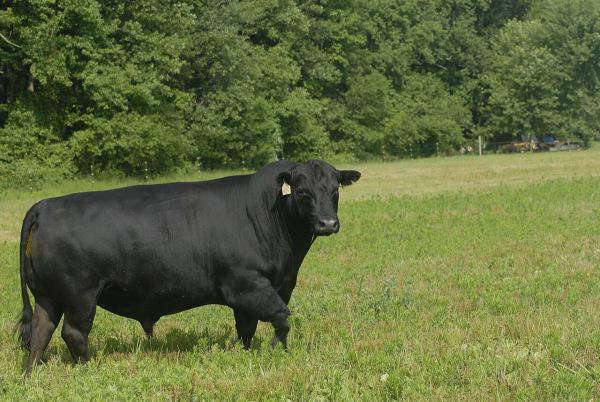
Aberdeen Angus
A hornless, black or red beef breed from Scotland, known for easy calvings, good mothers and well-marbled meat. Weights, growth and tips for small farms.
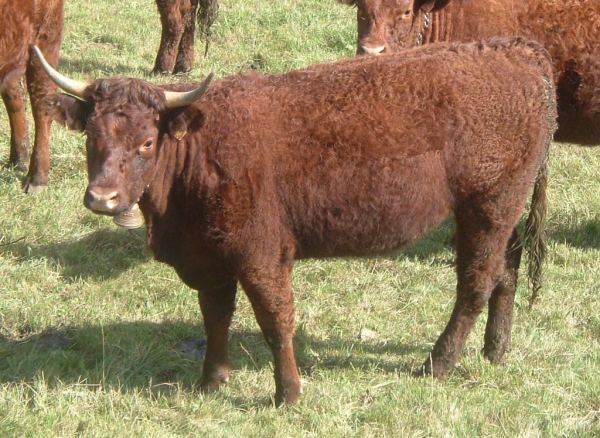
Salers
A hardy mahogany-red mountain breed from France with lyre-shaped horns, very easy calvings and excellent mothering. Weights and use.
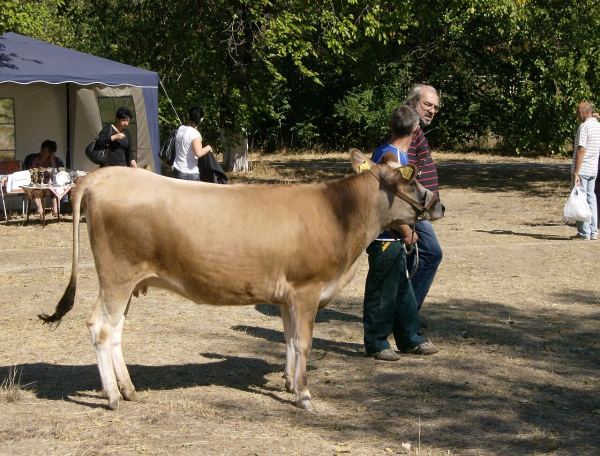
Rhodope Shorthorn
One of the smallest cattle breeds in Europe, from the Rhodope Mountains in Bulgaria: hardy, frugal and long-lived. Weights, milk and keeping it today.