
Belgian Blue cattle: weight and characteristics
A Belgian beef breed with double muscling and an exceptionally high meat yield. Weights, growth, calving by caesarean and its use as a crossing sire.

At a glance
| Origin | Belgium |
|---|---|
| Purpose | Beef |
| Colour | White, blue roan or black |
| Cow weight | 650–850 kg |
| Bull weight | 1,100–1,300 kg |
| Daily gain when fattening | 1.2–1.5 kg/day |
| Calving | Mostly by caesarean section |
| Temperament | Docile |
Typical ranges for adult animals; they vary with the line, feeding and management.
History and origin
The Belgian Blue was developed in central and upper Belgium in the 19th century by crossing local cattle with Shorthorn bulls. From the 1950s, breeders selected for double muscling, and the beef type has dominated since.
Appearance and character
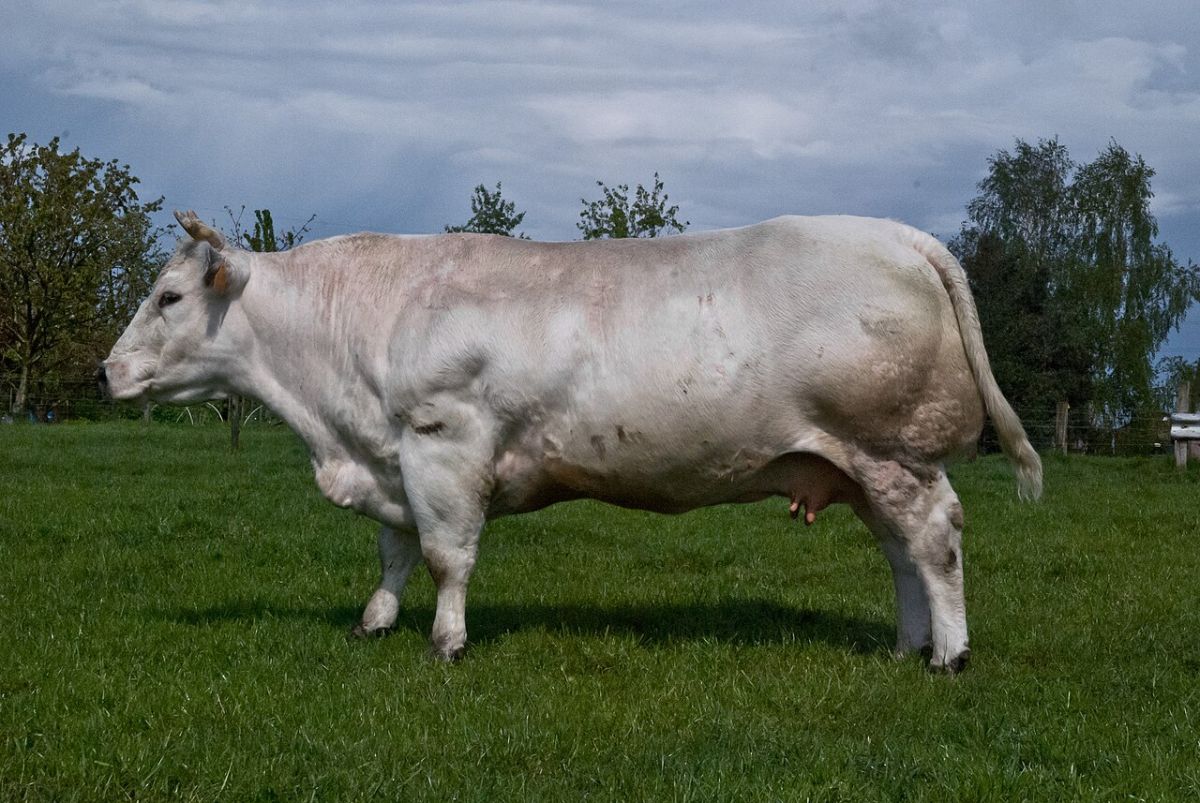
Belgian Blues are white, blue roan or black, or a mix of these. Most carry a mutation of the myostatin gene that causes double muscling: very large, rounded muscles on the shoulders, back and hindquarters. Despite their size they are docile and quiet.
How much does a Belgian Blue cow weigh?
A mature Belgian Blue cow usually weighs 650–850 kg and a bull 1,100–1,300 kg.
Bulls in fattening typically gain 1.2–1.5 kg a day and give a carcass with very little fat and a killing-out percentage of up to 70% or more. The meat is lean and tender. They need a ration with plenty of energy and protein.
Calving and fertility
Purebred calvings are mostly done by caesarean section, because the muscled calf is large for the cow’s narrow pelvis. Keeping purebred Belgian Blue cows therefore needs a vet who is close by and used to the operation.
Use in crossbreeding
Belgian Blue bulls are widely used on dairy cows, especially Holsteins: the crossbred calves are much more muscled and fetch a better price, and most cows calve without help. Bulls with good calving-ease figures are chosen for heifers.
On a small farm
On a small farm the Belgian Blue is most useful as a bull for crossing, not as a purebred suckler herd. Weigh the crossbred calves regularly to see how much extra gain they bring.
Other breeds
Charolais
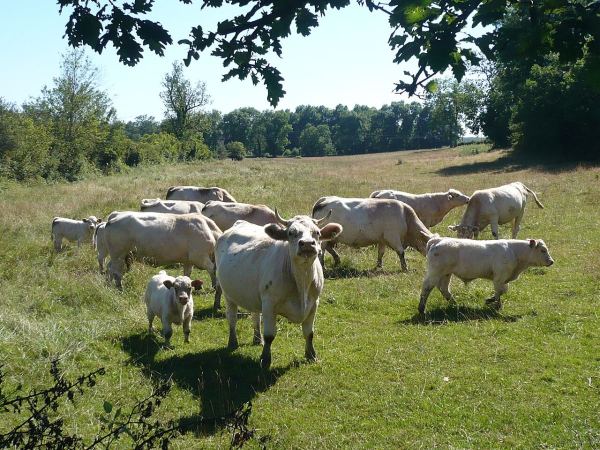
A large white beef breed from France with fast growth and a high meat yield. Weights, daily gain, calving and its use as a terminal sire.
Limousin
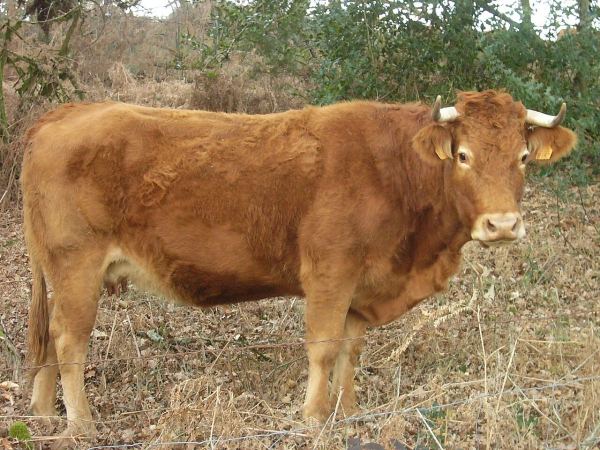
A golden-red French beef breed with fine bones, a high share of meat and easy calvings for its size. Weights, growth and crossbreeding.
Crossbred cattle
How to work out the breed percentages of a crossbred calf, what F1 and backcrosses are, how much hybrid vigour brings and which beef crosses are common.